
Welcome to Holland
Joel Lampert, PsyD |
Years ago, Emily Perl Kingsley wrote Welcome to Holland, an essay about preparing for one journey only to discover that life has taken you somewhere entirely different. You planned for Italy. You imagined what it would look like. You prepared for it. You pictured the places you would go and the experiences you would have. And then the plane lands somewhere else.
I have thought about that metaphor many times over the years while sitting with families whose lives have been changed by childhood cancer.
No parent plans for this. Nobody looks at their child and imagines chemotherapy appointments, port accesses, hospital rooms, scans, surgeries, medications, transfusions, or learning an entirely new vocabulary because suddenly they have to. Nobody plans for their child to miss school, birthdays, soccer seasons, sleepovers, or ordinary afternoons because they are too sick or too immunocompromised to participate. And nobody expects the uncertainty—the waiting, the fear, or the strange experience of watching the rest of the world continue moving while your own has changed completely.
Kingsley's metaphor isn't perfect for every family or every experience. No metaphor could be. Childhood cancer can involve profound suffering, trauma, disability, grief, and sometimes unimaginable loss. Those realities should never be softened into a lesson about gratitude. But there is something meaningful in the idea of discovering that a life you did not choose can still contain things worth noticing.
Because two things can be true at the same time.
You can desperately wish your child had never been diagnosed and be deeply grateful for the people cancer brought into your life. You can grieve the childhood your child should have had and feel overwhelming joy watching them experience something wonderfully ordinary. You can be exhausted and hopeful. Terrified and grateful. Angry about what has been taken and amazed by what remains. You can miss the life you thought your family would have while still learning to love parts of the life unfolding in front of you.
One truth does not cancel the other.
That is something I see again and again in pediatric oncology. I see it when families who met under circumstances none of them would have chosen become lifelong friends. I see it when siblings discover someone else who understands what it feels like when cancer seems to occupy every corner of a family. I see it when a child who has spent far too much time being a patient gets the chance to simply be a kid.
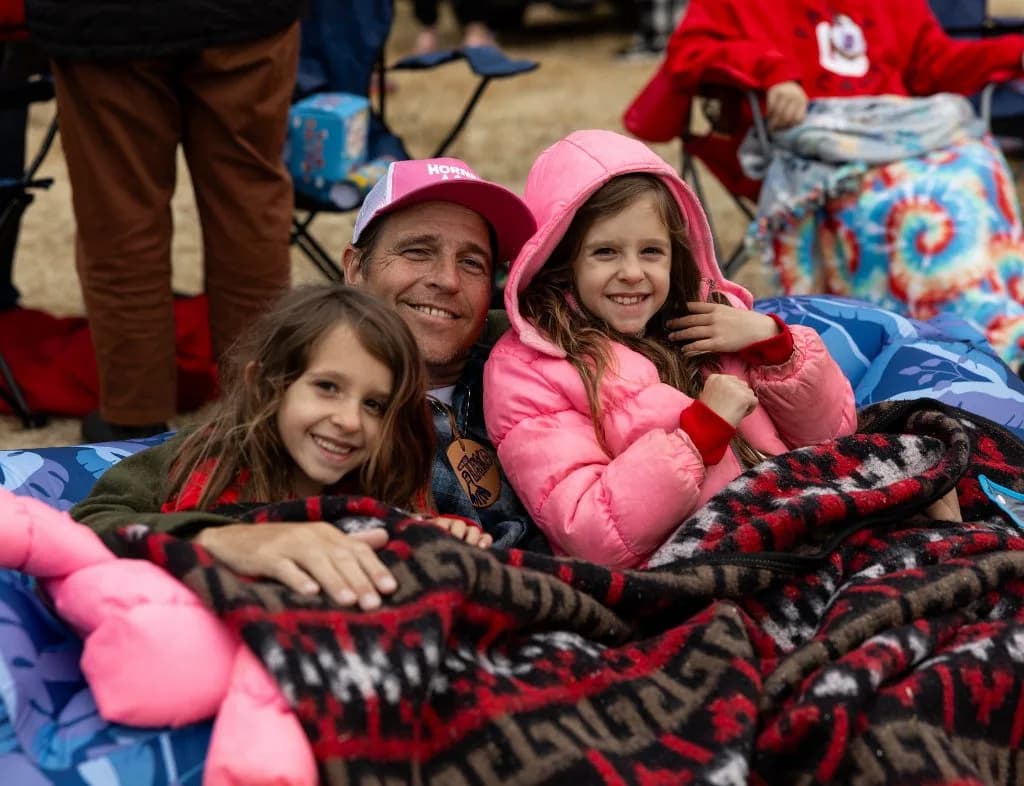
And I see it at Ukandu, where families arrive carrying stories that include fear, treatment, uncertainty, survivorship, recurrence, grief, and loss—and somehow there is still laughter. There is silliness, friendship, campfires, art projects, ridiculous costumes, and conversations that don't require an explanation because the person sitting across from you already understands. There is joy, not because the hard things have disappeared, but alongside them.
Perhaps that is one of the most important things this community has taught me: we don't honor suffering by refusing to experience joy. We don't betray someone we've lost by laughing again. Gratitude doesn't mean pretending something terrible was actually a gift. And finding meaning in what happened doesn't mean we would ever have chosen for it to happen.
Sometimes gratitude is much smaller than that. It is being grateful for the nurse who remembered your child's favorite thing. For the friend who stopped asking what you needed and simply showed up. For another parent who understands why scan day feels different. For the sibling who finally finds someone who gets it. For one unexpectedly good afternoon. For a child laughing so hard that, for a moment, cancer isn't the most important thing in the room.
And sometimes there is no gratitude to be found that day. That has to be okay, too.
Connection matters because we were never meant to carry all of this alone. We need people willing to sit beside us in the painful places without rushing us out of them, and people who will celebrate with us when joy finds its way back in.
Maybe that is the invitation in Welcome to Holland. Not to convince ourselves that Holland was where we wanted to go. Not to stop missing Italy. And certainly not to pretend that everything we encountered after landing somewhere unexpected was beautiful. Instead, perhaps it is permission to look around at the life we're actually living and allow ourselves to notice what is here, too: the people, the connection, the moments of beauty, the things still worth celebrating, the people we remember, and the hope we continue to carry.
Two things can be true.
We can honor everything childhood cancer has taken while fiercely protecting everything it does not get to take. We can make room for grief and joy, pain and gratitude, fear and hope. And sometimes, when we find people willing to stand with us in all of it, we discover something else: we are not alone.
And that, too, is More Than Medicine.
More to the Story than 85%
Throughout Childhood Cancer Awareness Month, we’re sharing stories about what childhood cancer asks of children and families—not only during treatment, but long after it ends.
This week, we turn to what comes after treatment—and why the word “survivor”, while worthy of celebration, doesn’t always tell the whole story.
The Audacity of The Loft
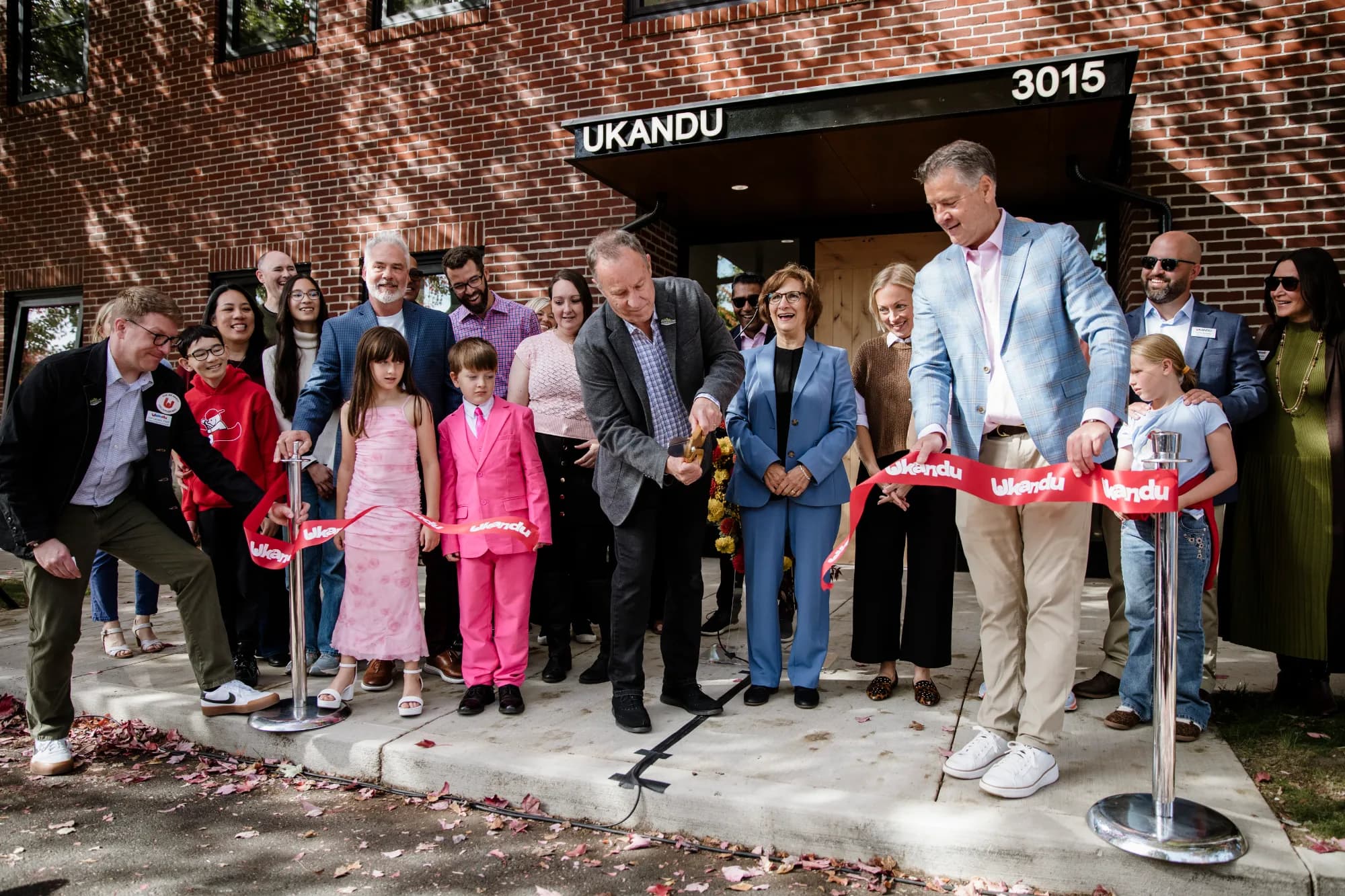
As I walked through The Loft surrounded by families, friends, partners, supporters, and people who have helped imagine this place into existence, I was struck by something one of our parents, Julia Thompson, said in remarks to commemorate the day:
The audacity.
The audacity of Ukandu to believe families affected by childhood cancer deserve something this extraordinary.
The Impact of Opting into Challenge: Reflections on Ukandu's Teen Retreat
A More Than Medicine Installment
For families affected by childhood cancer or another serious medical condition, "back to school" can mean something entirely different. School may not look the way it once did. For families affected by childhood cancer or another serious medical condition, "back to school" can mean something entirely different. School may not look the way it once did.