
The Impact of Opting into Challenge: Reflections on Ukandu's Teen Retreat
Joanna Miu |
Ukandu was built on the idea that kids and families impacted by childhood cancer deserve a chance to reclaim the joy and ordinary childhood experiences that illness put on pause. Our name says it plainly: You-Can-Do. Not just once treatment is over, not once the hard part is behind you, but now, wherever you are in your own hard chapter.
One of my favorite examples of how this philosophy comes to life is our Teen Retreat in partnership with LEAP (Life Expanding Adventure Program): a week of whitewater kayaking by day and camping under an enormous, starfilled sky by night. The thing I keep coming back to isn't the scenery, it's the impact of kids who have every reason to avoid one more hard thing but opt into a hard thing anyway.
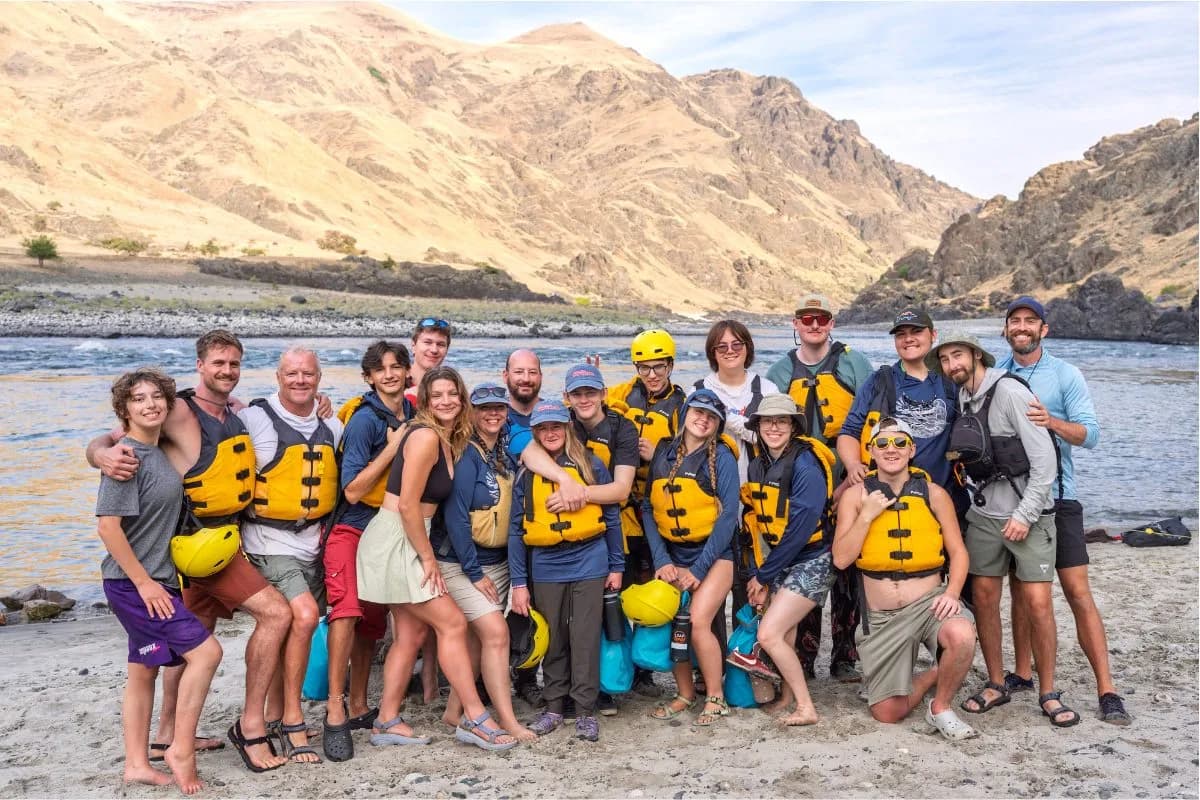
Every teen on this trip had faced something incredibly challenging in their life that they didn't choose: whether that's a diagnosis, a hospital hallway, a sibling's sickness, a family reshaped by fear, or a body altered by illness. So when the choice was actually theirs, you'd forgive them for taking the easy lane.
However, they didn't take the easy lane. Each participant picked the adventure lines when they had the option, and every one of them spent at least a little time alone in a kayak, facing a rapid with nobody else in the boat to help paddle. Watching that happen, over and over, all week was something special.
You might be thinking, "cute story, but why does this matter?"
It matters because adolescence is a time of life built for seeking out new and challenging experiences, both neurologically and psychologically. Researchers are pushing back on the old idea that teenage risk-taking is something to manage down. One researcher writing for BOLD, a publication on human development science, argues that we've gotten the story backward: risk-taking isn't a problem to solve, it's a normal and even necessary part of growing up. Figuring out who you are requires trying things you might fail at (BOLD, 2024).
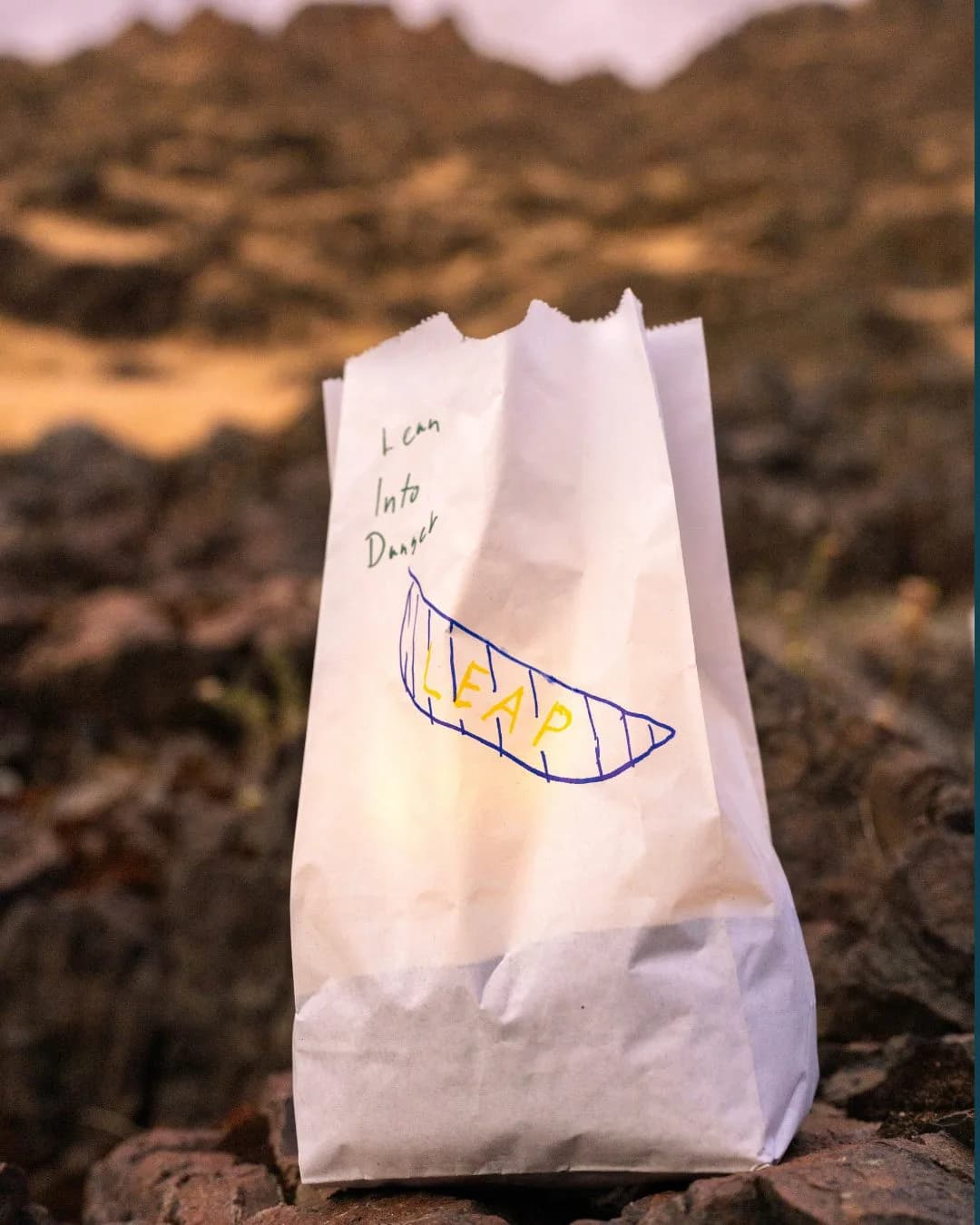
ACT for Youth, a research center focused on youth development, says something similar. Adolescent brains seek out new experiences because those experiences build the skills a person needs later in life. The job of the adults around a teenager isn't to eliminate risk. It's to notice what that risk is doing for them, and to offer safer ways to take it on.
That's the distinction that matters: risk you choose versus risk that just happens to you. It's where a program built around whitewater, sleeping under the stars, and adventure lines earns its keep. A kayak on a class IV rapid, with a guide next to you and a plan for what happens if you flip, gives a kid a controlled place to practice something much bigger. Choosing to be afraid, and moving forward anyway.
Adventure-based approaches have been researched specifically with adolescents who've lived through real hardship, and the findings keep landing in the same place. A 2023 scoping review of adventure therapy for teens with complex trauma found that these programs tend to move kids through a rhythm of feeling safe, working through what happened, and then integrating it, with measurable gains in how they attach to others, the skills they build, and their ability to manage stress (Pringle et al., 2023, Journal of Experiential Education).
Other program evaluations back this up. One study of an outdoor adventure program for underserved youth found real growth in how capable, confident, and grounded kids felt afterward, growth the researchers say builds the kind of protective foundation young people need after facing hard circumstances again and again (Journal of Outdoor Recreation, Education, and Leadership, evaluation of the Chicago Voyagers program).
None of that happens by accident, either. What the research keeps pointing to is a combination: real physical challenge, room to reflect on it, and people you trust standing next to you while you do the scary thing. Take any one of those away and you mostly just have an activity. Keep them together, and you get something that changes how a kid sees themselves.
Which is, not coincidentally, exactly what our week looked like!
On our second-to-last night, we sat by the water and shared what we'd learned from our time on the river, and what we thought we might carry with us once we got home. One teen said something I haven't stopped thinking about since: "Swimming a rapid isn't a failure, it's an opportunity." An opportunity to find out what you're actually capable of, and to choose something hard on your own terms instead of having it chosen for you.
I don't think she knew she was paraphrasing an entire body of adolescent development research. She'd already lived it. And it's the whole reason we are named what we are. These kids are not the fragile thing people assume when they hear "childhood cancer." They are capable of choosing something hard and doing it anyway, and coming out the other side changed by it.
Sources:
- Duell, N. (2024). "The positive side of risk-taking in adolescence." BOLD.
- "Adolescent Brain Development and Risk Taking." ACT for Youth.
- Pringle, G., Boddy, J., Slattery, M., & Harris, P. (2023). Adventure therapy for adolescents with complex trauma: A scoping review and analysis. Journal of Experiential Education.
- "Positive Youth Development and Adventure Therapy with Underserved Youth: An Evaluation of the Chicago Voyagers Program." Journal of Outdoor Recreation, Education, and Leadership.